
2 July 2026 · 3 min read
What is eco-anxiety and how do we deal with it?
A state of alert in the face of the climate crisis, affecting more than 65% of young people. Fear can become action.
The effects of climate change are not only felt by the environment, by other species and through extreme weather: they also put a strain on the human mind.
This is especially true for younger generations. According to UNICEF, more than 65% of people aged 14 to 35 experience what is known as eco-anxiety: a state of alert triggered by news and images about the state of the planet. The brain reacts as if to a threat that, for the first time in our history, is invisible and global.
Complex emotional and cognitive circuits also switch on, and they tend to produce two main responses: distancing, used as a form of self-protection, and a push toward concrete action and constructive engagement.
This is where eco-activists come in — people who have chosen to promote sustainable policies and to encourage everyone to adopt small but real habits, within anyone's reach, to protect biodiversity and support environmental justice.
From eco-anxiety, a feeling that starts out as negative, a sense of possibility can open up — one that keeps us from sinking into resignation.
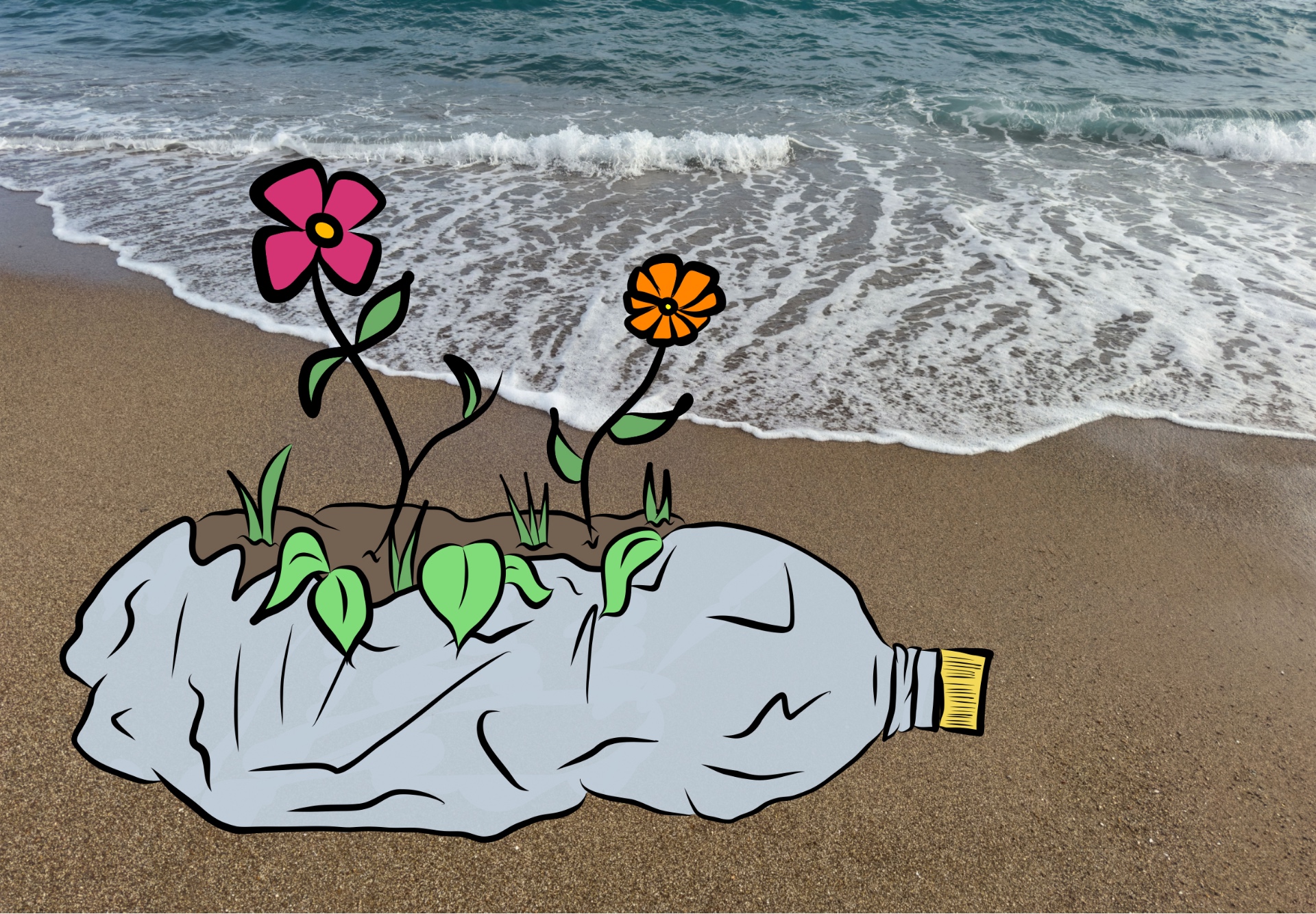
Because even from eco-anxiety, flowers can grow.